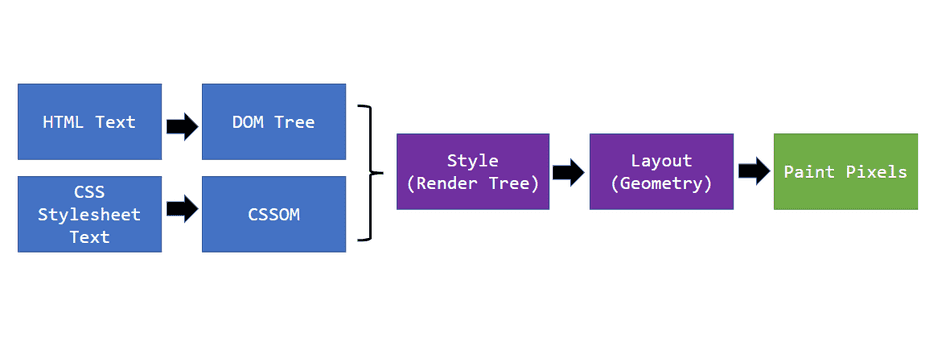
When you open a website using a browser such as Chrome or Edge, the browser requests the website’s files from the internet. One of the most important files it receives is the HTML file.
The browser reads the HTML file line by line and interprets the instructions written in it. These instructions tell the browser what content exists on the page and how it should be displayed.
HTML code itself is not visual. Instead, the browser converts the code into visible elements such as text, images, links, and headings that users can see and interact with.
You can think of HTML as a set of instructions, and the browser as the translator that turns those instructions into a real webpage.
Without a browser, HTML would just look like plain text. Without HTML, browsers would not know what to display. Both work together to make websites function properly.